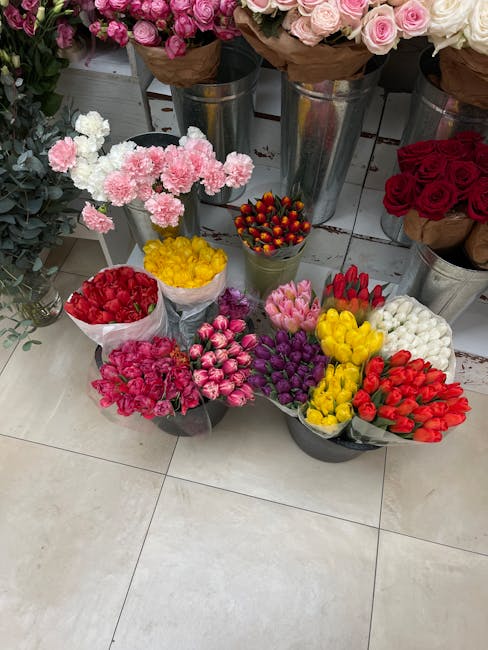
Common problems with weekday flower orders in N1
Posted on 25/09/2026
If you have ever tried to send flowers on a Tuesday morning and watched the whole thing turn oddly complicated, you are not alone. The common problems with weekday flower orders in N1 usually show up in small, frustrating ways: missed delivery windows, office receptions that close early, bouquet substitutions, rushed checkout mistakes, or flowers that arrive a bit less fresh than you hoped. In a busy part of London like N1, weekday deliveries have their own rhythm, and that rhythm matters.
This guide breaks down what tends to go wrong, why it happens, and how to avoid the usual headaches. Whether you are ordering for a birthday, an apology, a sympathy tribute, or just because you want to brighten someone's day, the details matter more than people think. Truth be told, weekday orders are often where the tiny planning mistakes show up fastest.
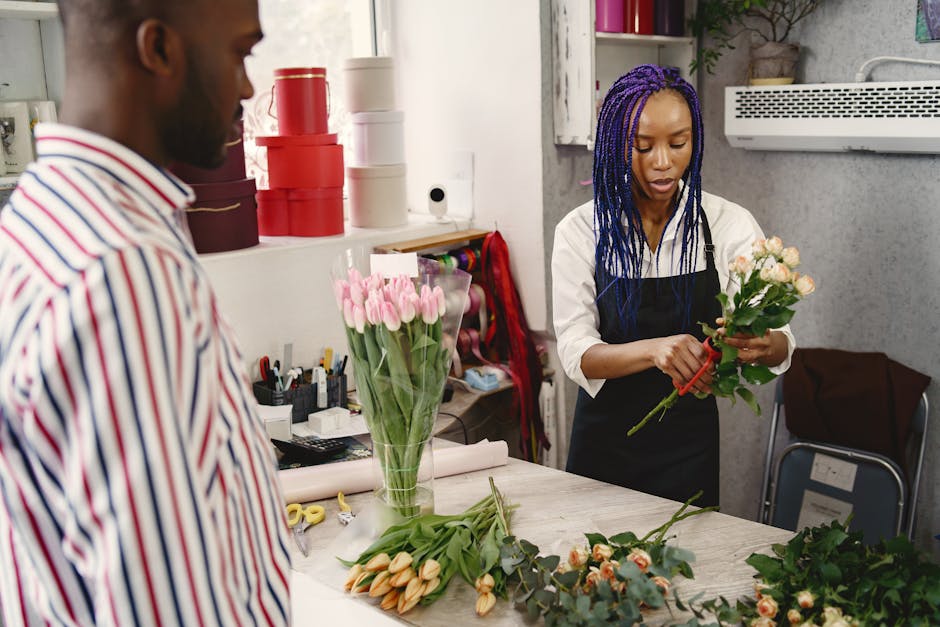
Table of Contents
- Why common problems with weekday flower orders in N1 matters
- How weekday flower orders in N1 works
- Key benefits and practical advantages
- Who this is for and when it makes sense
- Step-by-step guidance
- Expert tips for better results
- Common mistakes to avoid
- Tools, resources and recommendations
- Law, compliance, standards, or best practice
- Options, methods, or comparison table
- Case study or real-world example
- Practical checklist
- Conclusion
- Frequently asked questions
Why Common problems with weekday flower orders in N1 Matters
Weekday deliveries are not just "weekend deliveries, but earlier." They are a different service pattern altogether. In N1, you are dealing with apartments, shared buildings, office receptions, short lunchtime windows, road activity, and sometimes a recipient who is out for most of the day. That makes flower delivery more sensitive to timing than many people expect.
Why does this matter so much? Because flowers are perishable, time-linked, and emotionally meaningful. If a bouquet arrives after a meeting, after a school run, or after a business has closed for the day, the whole moment can be lost. And unlike a parcel, flowers are often meant to create an immediate reaction. That is the point, really.
There is also the practical side. A lot of weekday issues come from assumptions: assuming the recipient is home, assuming the business has a reception desk open, assuming the driver can call at the doorstep and wait around. In the real world, that is where problems start. A florist can make a beautiful arrangement, but if the delivery instructions are fuzzy, the result can still be messy.
Expert summary: Most weekday flower delivery problems in N1 come down to timing, access, and communication. Get those three right and you remove a surprising number of headaches.
How Common problems with weekday flower orders in N1 Works
To understand the problems, it helps to understand the workflow. A weekday flower order usually follows a fairly simple chain: you place the order, the florist prepares the arrangement, the driver loads the flowers, and delivery is attempted within the chosen window. Simple on paper. Less simple in London traffic, building access, and office schedules.
In N1, weekday orders often serve three very different delivery environments:
- Homes and flats where access codes, concierge desks, or intercoms may be needed.
- Workplaces where the recipient may be in meetings, out at lunch, or working across more than one floor.
- Venues or institutions where someone has to accept the flowers on behalf of the recipient.
Each environment brings its own risks. A flat in a modern block might be perfectly secure but hard to access quickly. A studio office might accept deliveries only within limited hours. A hospital or care setting may have very specific handover rules. None of that is unusual, but it all affects weekday flower delivery success.
Another thing people underestimate is the pace of weekday demand. Mornings can be busy with dispatch, lunch hours can be tight, and afternoon rounds can get compressed if there is traffic or a delayed previous drop. So yes, even a lovely bouquet can be affected by something as ordinary as a van stuck near Upper Street. London, honestly, does love a complication.
Key Benefits and Practical Advantages
It may sound odd to talk about benefits in a guide about problems, but there are good reasons to keep using weekday delivery. The advantages are real, especially if you know how to work around the common snags.
- Faster emotional impact: Weekday delivery can catch someone at work or at home when they least expect it.
- Better for planned occasions: Birthdays, anniversaries, thank-you gestures, and sympathy flowers often land more naturally during the week.
- More operational flexibility: Some florists and recipients have more predictable routines Monday to Friday.
- Useful for corporate gifting: If you are managing client gestures or staff recognition, weekday delivery fits business hours better.
- Opportunity for same-day service: If a message needs to go out quickly, weekday order slots are often the most practical option.
The main advantage is this: weekday flower orders can be very efficient when the recipient's schedule is known. If you know they work at a certain desk until 5 pm, or if a receptionist can accept the bouquet, then you have a reliable system. Problems usually show up when the order is placed with too little context.
If you are weighing options, it can also help to think about flower style. For quick weekday gifting, many people choose popular best sellers or a ready-to-go seasonal bouquet rather than something highly specific and delicate. That tends to reduce delays and substitution issues.
Who This Is For and When It Makes Sense
Weekday delivery in N1 makes sense for a wide range of senders, but the pain points are not the same for everyone. A first-time sender will often worry about the mechanics, while a regular corporate buyer is usually more focused on reliability and presentation.
This guide is especially useful for:
- people sending flowers to an office or studio in Islington or nearby
- busy customers arranging same-day or next-day flower delivery
- those sending sympathy or funeral flowers with a strict timing need
- partners or family members who want a surprise without causing a delivery hassle
- businesses sending gifts to staff, clients, or event hosts
It also helps if you are ordering flowers for a weekday occasion that cannot slip. Think funeral services, hospital visits, presentations, or timed corporate deliveries. In those situations, delivery precision matters more than the bouquet size, and that is worth saying plainly.
If budget is part of the decision, weekday ordering can still work well. A sensible starting point is browsing affordable flower options in Islington N1 or looking at practical budget-friendly bouquets if you need something simple but thoughtful. No shame in that. Flowers do not need to be extravagant to be kind.
Step-by-Step Guidance
If you want to avoid the common problems with weekday flower orders in N1, use a more deliberate process than "choose bouquet, click pay, hope for the best." That approach works sometimes. But not often enough.
1) Check the delivery context first
Start with the recipient's location. Is it a flat, a shared building, a business, a studio, or somewhere with reception-only access? If you are not sure, ask. It feels a bit awkward, maybe, but it is far better than sending flowers into a locked lobby.
2) Choose the right delivery method
Same-day, next-day, and standard weekday delivery all serve different needs. If timing is tight, look at same-day flower delivery in Islington N1 or next-day flower delivery in Islington N1. If the occasion is less urgent, a standard weekday slot may give the florist more breathing room and reduce stress.
3) Give complete recipient details
Include full name, company name if relevant, building access notes, floor number, and any reception instructions. If there is a concierge or a porter's desk, say so. If the name on the buzzer is different from the recipient's name, mention that too. Small detail, big difference.
4) Match the bouquet to the occasion
Do not force a romantic bouquet into a formal sympathy order, or a big luxury arrangement into a narrow office desk delivery. Use the occasion as your guide. For example, you might choose funeral flowers in Islington N1 for a bereavement delivery, or birthday flowers in Islington N1 for a weekday celebration. The better the match, the smoother the handover tends to be.
5) Add a clear message and backup instruction
Keep the card message short, but make the delivery note practical. If the recipient may be out for lunch, say when they are usually available. If there is a preferred contact method, include it. Nothing too clever. Just enough to help the driver do the job without guesswork.
6) Review before checkout
Here is the boring part that saves the day: read everything back before you pay. Name, postcode, date, time slot, message, spelling, and contact details. One mistyped flat number can turn a smooth weekday delivery into a little scavenger hunt.
Expert Tips for Better Results
After enough weekday deliveries, a few patterns become obvious. The people who get the best results are not necessarily the ones who spend the most. They are the ones who plan the handover properly.
- Order earlier in the day if you can. Morning orders give more room for preparation and dispatch.
- Be realistic about access. If the recipient works in a shared office, ask about reception hours before placing the order.
- Choose sturdy arrangements for weekday travel. Mixed bouquets with good structure tend to handle the journey better than fragile, top-heavy designs.
- Think about weather. Cold mornings, warm offices, and damp commutes can all affect flowers once they arrive.
- Use clear occasion language. If it is a sympathy or apology delivery, make that obvious in the notes so the florist can help set the tone.
A small but useful trick is to keep weekday deliveries a bit simpler than weekend showpiece orders. That does not mean plain. It means practical. A bouquet that opens well over two or three days can be better than one that looks dramatic for an hour and then starts to droop. Not the glamorous answer, but the honest one.
For regular senders, it can be worth creating a repeatable approach. Corporate teams often do this well. They keep a standard delivery note template, a set of preferred products, and a list of building access details. If you send flowers more than occasionally, that little system saves time and avoids silly mistakes.
Common Mistakes to Avoid
This is where most weekday flower problems in N1 actually begin. Not with the florist. With the setup.
Leaving the address incomplete
"N1" is not enough. Give the full street address, postcode, apartment or suite number, and any access instructions. A partial address is one of the quickest ways to delay a delivery.
Forgetting office hours
A bouquet arriving at 6 pm to an office that closed at 5 pm is not a delivery success. It is a very pretty problem. If the flowers are going to a business, check the reception or mailroom hours first.
Choosing the wrong size or style
Large statement arrangements can be awkward in small flats or reception desks. On the other hand, a very small bouquet may disappear in a large office or event setting. Match the scale to the place.
Ignoring substitution policies
Sometimes certain flowers are unavailable, especially on busy weekdays. A good florist may substitute stems while keeping colour and style consistent. If you do not want surprises, check the replacement policy before ordering. A small change in bloom type can matter to some people, especially for wedding, sympathy, or formal gifts.
Leaving the message too vague
"From you know who" can be funny between close friends. Less funny if the recipient has a packed desk and three deliveries to sort through. A clear card message helps the flowers feel intentional.
Assuming the driver can wait indefinitely
They usually cannot. Delivery teams work to routes and schedules. If access is difficult, the order may need to be left with reception, a neighbour, or rebooked. That is why those access notes matter so much.
Tools, Resources and Recommendations
There are a few simple tools and resources that make weekday flower ordering much easier. Nothing fancy. Mostly just the bits people forget to use.
- Recipient contact details: Keep the mobile number handy if the florist needs to confirm access or timing.
- Delivery notes: Write a clear note with landmarks, buzzer names, and building instructions.
- Occasion filters: Browse by occasion when in doubt. It keeps the decision focused.
- Flower care guidance: Once the flowers arrive, care instructions help them last longer.
- Delivery information pages: Review the florist's service details so you know what happens if the recipient is unavailable.
You can also use the florist's own category pages to narrow your choice by purpose or style. If you are ordering for business, corporate accounts can be useful for regular repeat sending. If presentation matters, a local florist in Islington N1 may be better placed to understand local access patterns and timing issues.
For aftercare, it is worth reading the site's flower care advice. Fresh flowers are only half the story; the other half is what happens once they are inside the house or office. Cut stems, clean water, and a cool spot can make a noticeable difference. Simple stuff, but it works.
Law, Compliance, Standards, or Best Practice
Flower delivery itself is not a heavily regulated service in the way food or medicine might be, but there are still practical best-practice points worth paying attention to. In the UK, consumers generally expect clear product descriptions, fair handling of substitutions, honest delivery commitments, and sensible treatment of personal data. That sounds obvious, but it is exactly where good service is tested.
For weekday orders in N1, best practice usually means:
- being clear about delivery windows rather than implying certainty that cannot be guaranteed
- collecting only the contact details needed to complete the order
- stating substitution or refund terms plainly
- keeping dispatch and delivery communication transparent
- handling special occasions, such as funerals or weddings, with extra care and accuracy
If you are sending flowers to a workplace or shared building, it is also wise to respect building rules and reception procedures. That is less about law and more about common sense, but honestly, common sense saves a lot of grief. For formal promises, payment handling, and returns expectations, it is sensible to review the florist's terms and conditions, returns and refund policy, and delivery information before ordering.
If you want to understand what the business stands for more broadly, the florist's about us and guarantees pages are also useful for trust-building. Not because they magically fix a late order, but because they show how the service is organised and what standards it aims to follow.
Options, Methods, or Comparison Table
Choosing the right weekday delivery method is often the difference between a smooth experience and a problem you have to chase. Here is a simple comparison.
| Option | Best for | Typical risk | When to choose it |
|---|---|---|---|
| Same-day delivery | Urgent surprises, apologies, forgotten occasions | Less time for planning and substitutions | When the timing matters more than variety |
| Next-day delivery | Planned weekday gifting with a little lead time | Still vulnerable to address errors | When you want balance between speed and choice |
| Standard weekday delivery | Non-urgent gifts, office deliveries, routine occasions | Recipient may be unavailable if not planned well | When access details are clear and timing is flexible |
| Hand-timed delivery to workplace or venue | Formal events, receptions, corporate gifting | Depends on access rules and staff availability | When someone is ready to accept the flowers |
There is no single winner for every case. If the bouquet is for a birthday lunch, same-day may be perfect. If it is for a wedding event or formal gathering, a more planned option may be calmer and less risky. To be fair, the safest route is often the boring one: a well-planned delivery with complete notes.
For product style, you might also compare a classic hand-tied bouquet with something in a vase. A vase arrangement can be easier for weekday recipients because it arrives ready to display. If you want a low-fuss option, flowers in a vase can be a smart choice for offices, shared homes, or anyone short on time.
Case Study or Real-World Example
Here is a realistic weekday scenario. A customer wants to send flowers to a colleague in N1 on a Wednesday. The first attempt is a cheerful bouquet with no delivery note beyond the street name. The colleague works in a small shared office with a locked entrance and lunch meetings. The driver arrives, but nobody answers the buzzer. The flowers are delayed, and the surprise loses its timing.
On a second try, the customer includes the company name, reception contact, floor number, and a note saying the recipient is usually at the desk before 9:30 am or after 2 pm. Same florist, similar bouquet, much better result. The flowers are delivered cleanly, received with a smile, and sit bright on the desk all afternoon. Not dramatic. Just smooth. And that smoothness is what people really want.
We see this pattern a lot with weekday orders. The bouquet quality is often not the issue. The delivery context is. Once the access and timing are clear, the whole experience becomes easier for everyone involved.
Practical Checklist
Use this checklist before confirming any weekday flower order in N1. It is simple, but it catches the most common mistakes.
- Have I got the full address, postcode, and recipient name?
- Do I know whether the delivery is to a home, office, venue, or shared building?
- Have I included access notes, buzzer details, or reception instructions?
- Am I sending the flowers at a time when someone can actually receive them?
- Does the bouquet suit the occasion and the setting?
- Have I checked same-day, next-day, or standard weekday timing options?
- Have I written a clear card message?
- Do I understand the florist's substitution and refund policies?
- Have I checked whether the recipient may be out at lunch or in meetings?
- Is this a formal occasion that needs extra care, such as sympathy or wedding flowers?
Quick takeaway: The smoother the weekday flower order, the more the details are handled up front. That is the whole trick, really.
Conclusion
Common problems with weekday flower orders in N1 are usually not mysterious. They come from timing, access, and unclear instructions more than anything else. Once you understand how weekday deliveries move through the area, it becomes much easier to avoid delays, missed handovers, and unnecessary stress.
If you want better results, keep the order simple, make the delivery notes specific, and choose a florist service that fits the occasion rather than forcing the occasion to fit the flowers. That small shift can make a big difference.
And honestly, that is the real win here: less guesswork, fewer phone calls, and a bouquet that arrives looking like it was meant to be there all along. A good flower delivery should feel easy, even on a busy Tuesday.
Get a free quote today and see how much you can save.
Frequently Asked Questions
Why do weekday flower orders in N1 go wrong so often?
Usually because of timing, access, and incomplete delivery notes. Weekdays are busier, buildings are more locked-down, and recipients are often at work or out for part of the day.
Is same-day delivery more likely to have problems than next-day delivery?
It can be, because there is less time to correct address issues or prepare special substitutions. That said, same-day is still a very useful option when the recipient is available and the notes are clear.
What should I include in the delivery instructions for a weekday order?
Include the full address, postcode, recipient name, company name if relevant, access codes, buzzer names, reception details, and any time-specific notes about when the person is likely to be available.
Can flowers be delivered to an office in N1 without a receptionist?
Yes, but it is more likely to work smoothly if you provide floor details, an internal contact name, or clear instructions about where to leave the flowers if nobody answers the entrance.
What happens if the recipient is not there?
That depends on the florist's delivery policy and the access situation. Flowers may be left with reception, a neighbour, another responsible person, or the order may need reattempting. It is best to avoid that uncertainty by planning ahead.
Are weekday flower orders better for corporate gifting?
Often yes. Weekday deliveries fit office hours better and can be easier to coordinate with receptions, meetings, and staff availability. Corporate gifting works best when the timing is planned rather than rushed.
What type of bouquet is best for weekday delivery?
Sturdy, well-structured bouquets or vase arrangements tend to travel well and arrive looking neat. If the recipient is in an office or shared home, a low-fuss design is often the safest choice.
Do cheaper bouquets cause more delivery issues?
Not necessarily. Delivery issues usually come from access and timing rather than price. That said, simpler bouquets may be less prone to damage in transit, which can be helpful for weekday orders.
Should I avoid ordering flowers for lunch time?
If you are sending them to a workplace, lunchtime can be tricky because many people step out. Mid-morning or early afternoon may be more reliable, depending on the recipient's schedule.
How can I reduce the chance of substitutions?
Order early, choose seasonal flowers, and avoid highly specific requests if you are short on time. Florists are often more flexible when they have enough lead time to source the right stems.
Is it worth choosing a local florist for N1 weekday delivery?
Yes, especially if the area has tight access, busy roads, or building-specific instructions. A local florist is often better placed to understand the practical side of weekday delivery in the area.
What is the biggest mistake people make with weekday flower orders?
The biggest mistake is assuming the recipient will simply be available. A successful delivery usually depends on real-world details like building access, office hours, and whether someone can receive the flowers promptly.